Carrier Performance
Green Fuels
EU ETS
A Mirror Held Up to the Industry’s Fuel Strategy Dilemma — The Hapag-Lloyd / ZIM Deal
Searoutes team
18 February 2026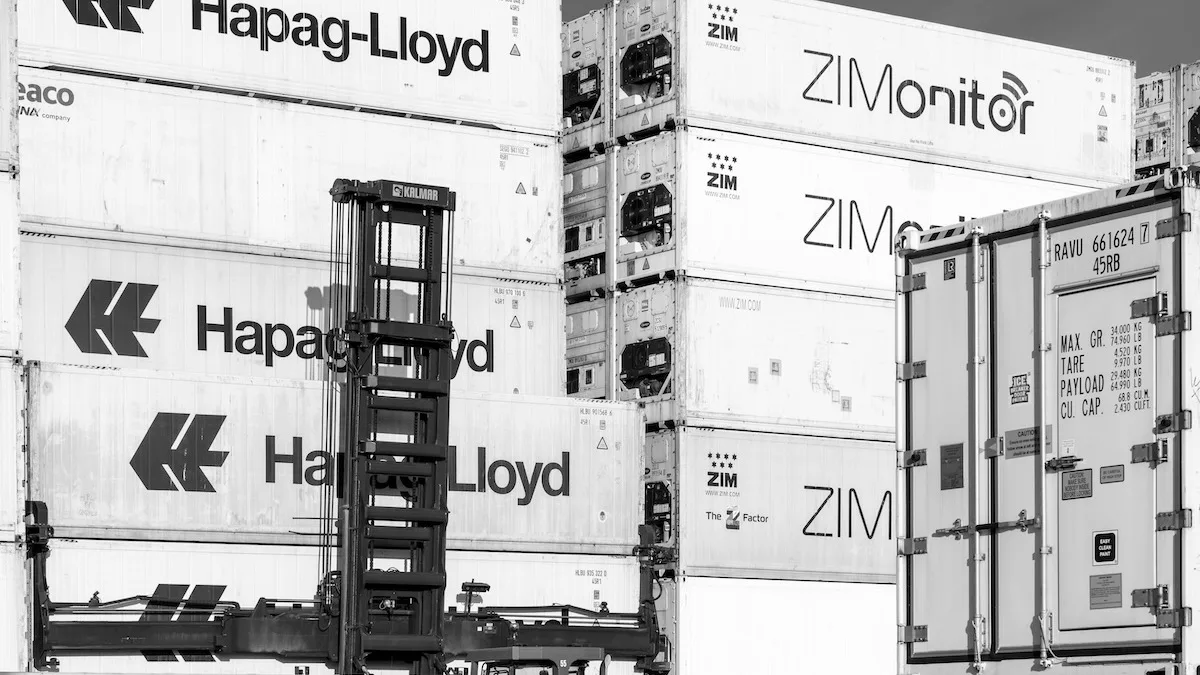
Why Fuel Strategy Matters More Than Ever in 2026?
The EU ETS was extended to maritime transport in phases beginning in 2024. From 1 January 2026, shipping companies must surrender allowances covering 100% of their CO₂e emissions on all EU-related voyages, up from 70% in 2025 and 40% in 2024. But the truly significant change this year is the expansion of covered greenhouse gases: methane (CH₄) and nitrous oxide (N₂O) now fall within the ETS scope for the first time. This matters because:- Methane has a global warming potential approximately 28 times higher than CO₂ over a 100-year period.
- Nitrous oxide is approximately 265 times more potent than CO₂.
- LNG-powered vessels, while emitting less CO₂ than conventional heavy fuel oil, are exposed to methane slip; which is uncombusted methane passing through the engine into the exhaust. Even a small slip rate can significantly erode LNG’s climate benefit and, from 2026 onwards, directly increase compliance costs under the ETS.
Carrier by Carrier: Who Bet on What?
Carriers have taken markedly different approaches to the energy transition. Here is where each major player stands today, based on their own public communications and verified news sources. The case for maintaining a mixed-fuel fleet isn’t a weakness, it’s an acknowledgment that regulation, green molecule supply chains, and fuel prices will all evolve in ways that are impossible to predict with confidence across a 20–25 year vessel life. The gap in fuel infrastructure explained below means the right fuel choice depends heavily on the specific routes and port rotations a carrier operates, making a one-size-fits-all fleet strategy genuinely risky.A Summary Comparison
Carrier fuel strategies at a glance — primary fuel today, forward bet, and net-zero target:- Maersk — today: biofuels + grey methanol; forward bet: green methanol; net-zero by 2040.
- Hapag-Lloyd — today: LNG; forward bet: methanol (new builds from 2028); net-zero by 2045.
- CMA CGM — today: LNG / biomethane; forward bet: methanol + ammonia; net-zero by 2050.
- ZIM — today: LNG (ammonia-ready); forward bet: ammonia; net-zero by 2050.
- MSC — today: LNG; forward bet: multi-fuel (ammonia, methanol); net-zero by 2050.